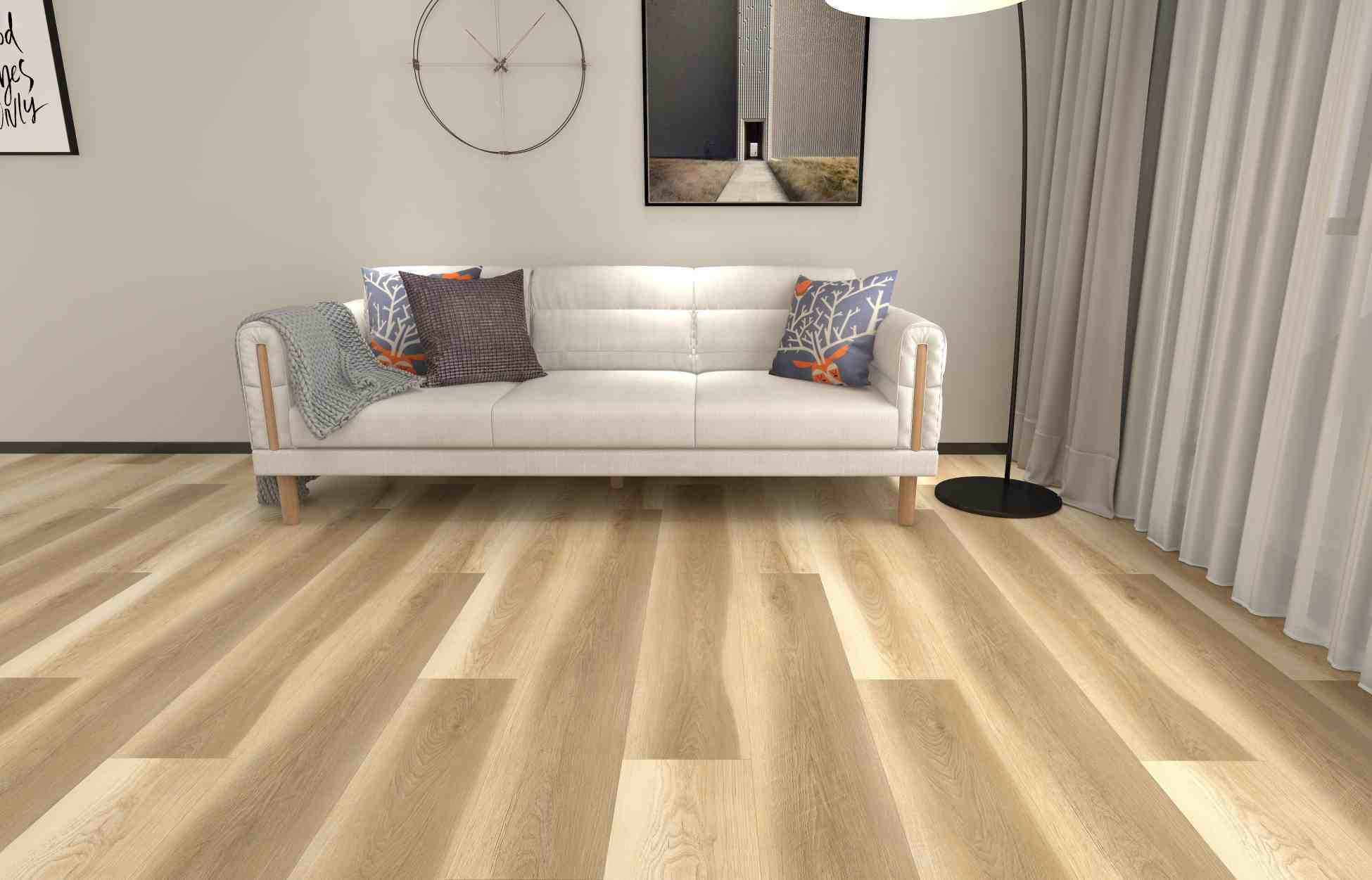
Every luxury vinyl plank box carries two numbers that can look similar but describe very different specifications: overall plank thickness, typically measured in millimeters, and wear layer thickness, measured in mils. These measurements are easy to confuse. A 12 mm plank, for example, does not have a 12 mil wear layer. Understanding the difference is important because the wear layer helps protect the decorative print from everyday foot traffic, abrasion, and surface wear.
This guide explains what a vinyl flooring wear layer is, how 12, 20, 22, 28, and 40 mil wear layers compare, and which specification may be appropriate for different rooms and traffic levels. We’ll also look at surface coatings and relevant testing standards to help you evaluate flooring performance beyond the wear layer number alone.
With more than 20 years of experience manufacturing PVC flooring, Hanflor regularly works with buyers to evaluate wear layer specifications for residential and commercial applications. This guide is designed to make wear layer specifications easier to understand and compare when choosing vinyl flooring.
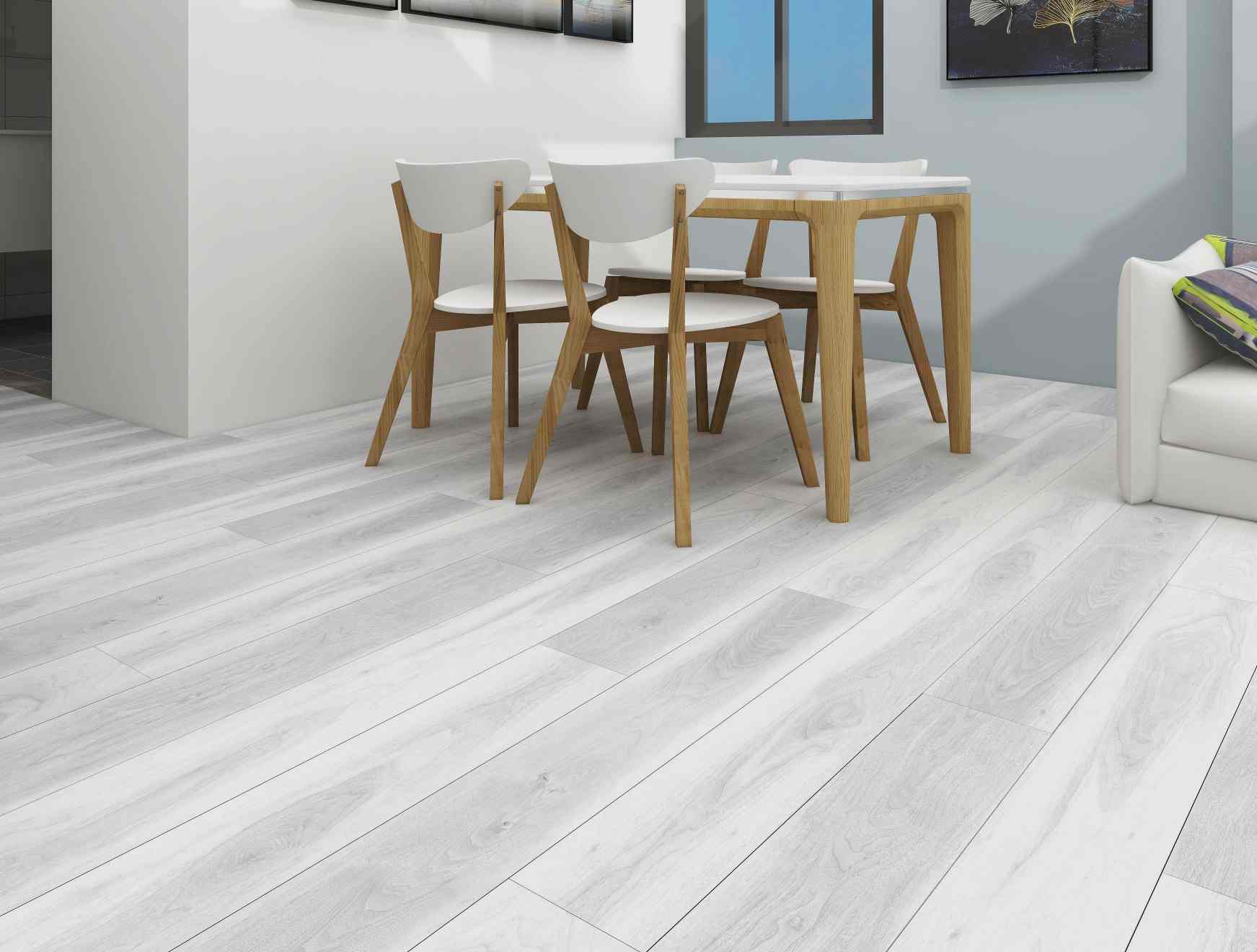
What Is a Wear Layer on Vinyl Flooring?
The wear layer is the transparent protective layer located above the decorative print layer of a vinyl plank or tile. Its primary function is to help protect the design from everyday abrasion, scuffing, and surface wear. Depending on the product, the surface may also include additional treatments such as UV coatings, polyurethane-based finishes, or enhanced wear-resistant additives.
Everyday traffic can gradually wear a vinyl floor through tracked-in dirt, furniture movement, pet claws, and other sources of abrasion. A thicker wear layer generally provides more material to resist this wear, but thickness is only one factor in overall flooring durability. The formulation, surface treatment, product construction, installation, maintenance, and level of traffic also affect how well a floor maintains its appearance over time.
Unlike solid hardwood, vinyl flooring is not normally sanded and refinished after the protective and decorative layers have been significantly damaged. For this reason, choosing an appropriate wear layer is an important consideration when selecting vinyl flooring for a particular room or traffic level.
The core point: Wear layer thickness is an important factor in a vinyl floor’s resistance to everyday wear, while total plank thickness describes the overall thickness of the flooring and can affect properties such as rigidity, dimensional stability, and underfoot feel. They are different specifications, and both should be considered when evaluating flooring performance.
Wear Layer vs Total Thickness: The Spec Most Buyers Confuse
Two measurements are commonly used to describe vinyl flooring, but they refer to very different parts of the product. Understanding the difference can help you compare products more accurately and avoid choosing a floor based on total thickness alone.
Total plank thickness (millimeters) — the overall thickness of the flooring, measured from the bottom of the backing to the top surface. Depending on the product construction, vinyl flooring can come in a range of thicknesses. Overall thickness can influence rigidity, dimensional stability, underfoot feel, and acoustic performance, although these properties also depend on the plank structure, backing, underlayment, and installation conditions.
Wear layer thickness (mils) — the thickness of the transparent protective layer above the decorative print. A thicker wear layer generally provides greater resistance to everyday abrasion and can be an important factor in determining how well the floor maintains its appearance under a given level of traffic. Surface coatings and the formulation of the wear layer also contribute to overall performance.
The two specifications should be evaluated separately. For example, a thicker plank does not necessarily have a thicker wear layer, and a thinner plank can still be designed with a relatively high wear layer for increased surface protection. When comparing vinyl flooring, check both the total plank thickness and wear layer thickness rather than assuming that a thicker plank automatically means better wear resistance.
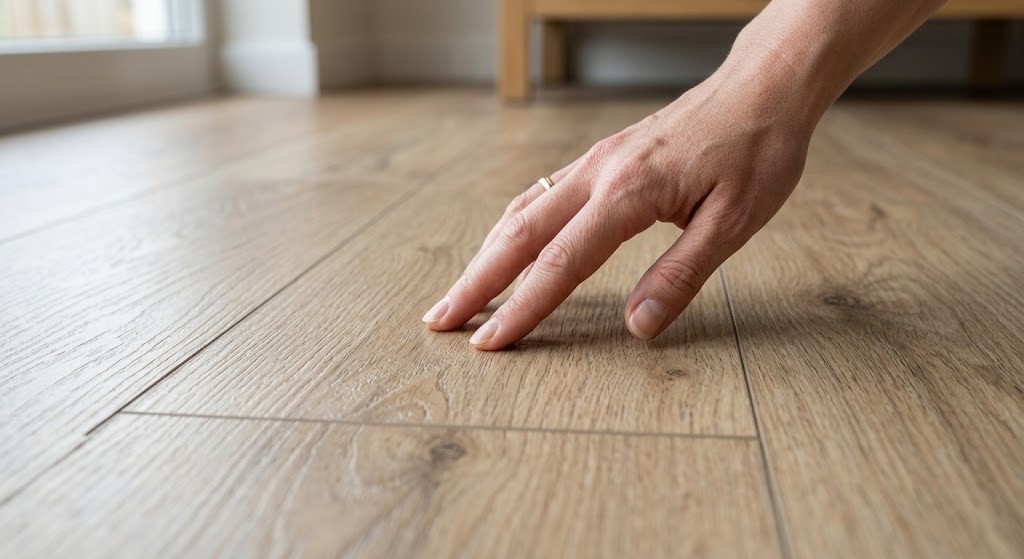
How Wear Layer Is Measured: Mils, Millimeters and Microns
A mil is one thousandth of an inch (0.001 inch), a unit commonly used to describe coating and film thickness. It is not the same as a millimeter. Because the numbers can sometimes look similar, mil and mm are easily confused when comparing vinyl flooring specifications.
| Unit | Value | Typical Use in Flooring |
|---|
| 1 mil | 0.001 inch / 0.0254 mm | Wear layer thickness |
| 12 mil | 0.012 inch / 0.30 mm | Standard residential wear layer |
| 20 mil | 0.020 inch / 0.51 mm | Heavy residential, light commercial |
| 22 mil | 0.022 inch / 0.56mm | High-traffic residential, light commercial |
| 28 mil | 0.028 inch / 0.71 mm | Commercial-grade wear layer |
| 40 mil | 0.040 inch / 1.02mm | Heavy commercial applications |
| 1 mm | 39.4 mils | Overall plank thickness or wear layer, depending on the specification |
When wear layer thickness is given in millimeters, multiply the value by approximately 39.4 to convert it to mils. For example, a 0.5 mm wear layer is approximately 20 mil. In European flooring specifications, performance may also be classified under standards such as EN 649 or ISO 10582 rather than by mil thickness alone. These classifications evaluate flooring performance through standardized testing, so they should not be treated as a direct conversion of wear layer thickness.
Wear Layer Thickness Chart: 6 Mil to 40 Mil Compared
The table below provides a practical guide to common wear layer thicknesses and the types of spaces they may suit. Wear layer thickness is an important factor in surface durability, but it should not be used alone to predict a floor’s service life or price.
| Wear Layer | Recommended Use | Durability Level |
|---|
| 6–8 mil | Light residential: guest rooms, closets, seasonal spaces | Light |
| 12 mil | Standard residential: bedrooms, low-traffic living areas | Moderate |
| 20 mil | Heavy residential and light commercial: kitchens, hallways, pet households | High |
| 22–28 mil | Premium residential and standard commercial: rentals, retail, offices | Higher |
| 40 mil+ | Heavy commercial and institutional: retail, healthcare, hospitality | Very high |
Actual performance depends on more than wear layer thickness. Traffic levels, product construction, surface treatment, installation, cleaning, and tracked-in grit can all affect how well a floor maintains its appearance. Using entrance mats and following the manufacturer’s maintenance recommendations can help reduce surface wear.
There is no universal conversion between wear layer thickness and years of service. Wear layer thickness should therefore be treated as one part of a flooring specification, rather than a guaranteed service-life rating.
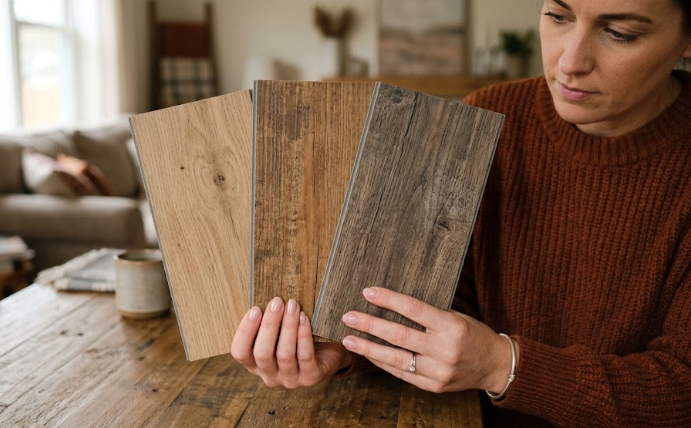
6–8 Mil Wear Layers: Light Residential Use Only
A 6–8 mil wear layer can be a practical choice for low-traffic residential spaces. Guest bedrooms, closets, formal sitting rooms, and seasonal cabins typically see less foot traffic and tracked-in grit, making a thinner wear layer suitable when budget is a priority.
For busy entryways, kitchens, hallways, and other high-traffic areas, a 6–8 mil wear layer provides less protection against everyday abrasion and may show visible wear sooner. For rooms used daily, a thicker wear layer is generally the safer choice.
12 Mil Wear Layers: The Standard Residential Choice
A 12 mil wear layer is a common choice for standard residential applications. It provides good protection against everyday foot traffic, furniture movement, and normal household wear, making it suitable for bedrooms, living rooms, and other moderate-traffic areas.
For homes with large pets, busy entryways, or open-plan areas connecting hallways, living rooms, and kitchens, a higher wear layer can provide additional protection and help the floor maintain its appearance longer.
20 Mil Wear Layers: Heavy Residential and Light Commercial
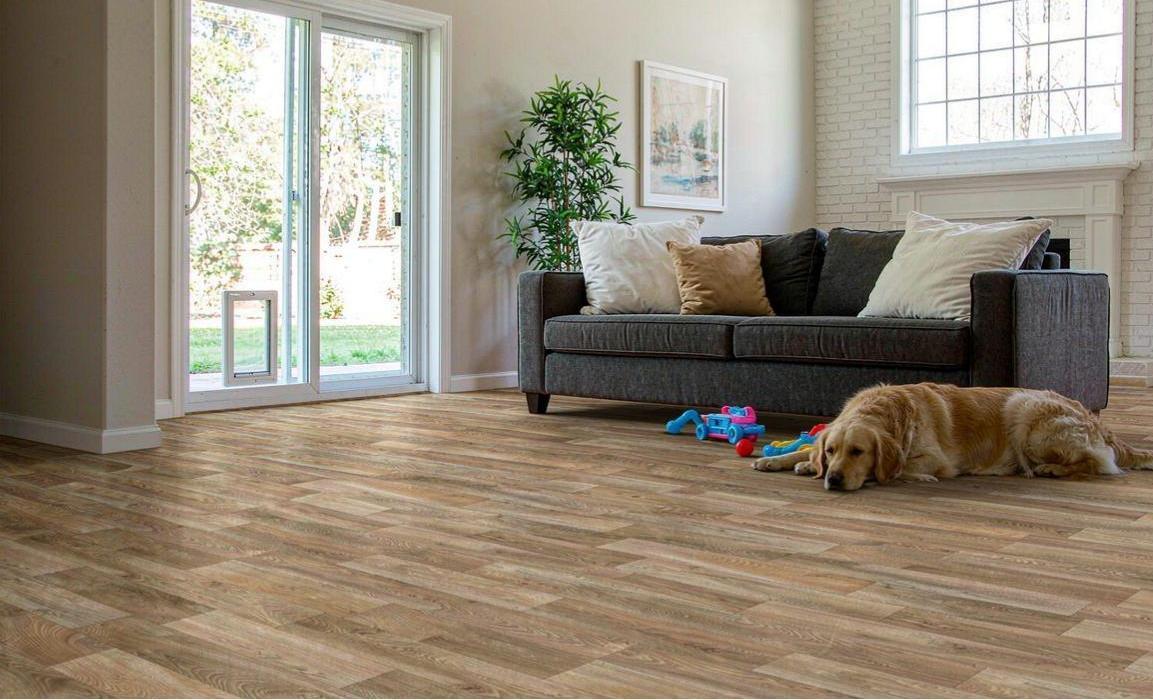
A 20 mil wear layer offers a higher level of surface protection for demanding residential use and selected light commercial applications. It is well suited to homes with pets, children, frequent foot traffic, and areas exposed to tracked-in dirt and repeated furniture movement.
Pet Households
For homes with large or multiple dogs, 20 mil is a strong choice for improved resistance to everyday scratching and abrasion. A 28 mil wear layer may be worth considering for households with particularly heavy pet traffic.
Families With Kids
For busy family spaces such as playrooms, kitchens, and living rooms, 20 mil provides an added margin of protection against frequent foot traffic, furniture movement, and everyday spills.
Rental Properties
Rental properties experience repeated use and frequent tenant turnover. A 22 mil or higher wear layer can be a practical choice when the goal is to balance durability, appearance retention, and long-term replacement costs.
28 Mil and Above: Commercial-Grade Wear Layers
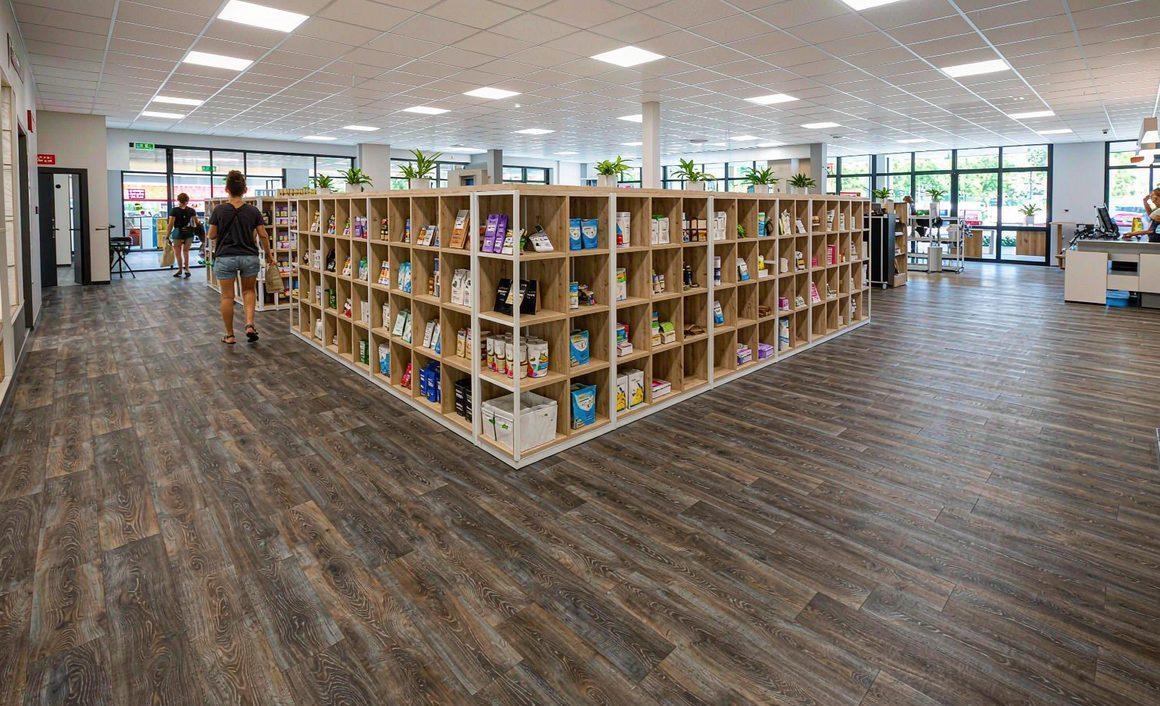
A 28 mil or thicker wear layer provides enhanced surface protection for demanding residential and commercial applications, including retail stores, restaurants, offices, clinics, and hospitality spaces. These floors may face frequent foot traffic, rolling carts, furniture movement, and regular cleaning.
For most homes, this level may be more than necessary, but it can be a practical choice for households with multiple large dogs, frequently used home offices, or homeowners who prioritize long-term surface durability. When selecting commercial flooring, consider the complete product specification and applicable performance standards rather than wear layer thickness alone.
Wear Layer Coatings: Urethane, Aluminum Oxide and Ceramic Bead
Wear layer thickness is important, but the surface treatment also affects scratch and scuff resistance. Common options include standard urethane, UV-cured urethane with aluminum oxide, and ceramic-enhanced coatings.
| Coating | What It Does | Where It Appears |
|---|
| Standard urethane | Basic surface protection | Entry-level residential flooring |
| UV-cured urethane with aluminum oxide | Enhanced surface hardness and abrasion resistance | High-wear residential and commercial flooring |
| Ceramic-infused urethane | Additional scratch and scuff resistance | Premium residential and commercial flooring |
Enhanced coatings work at the surface and do not add to the wear layer thickness. They can improve surface performance, but they should be evaluated together with wear layer thickness, product construction, and testing results. Hanflor uses enhanced surface treatments on selected flooring products to provide additional protection against everyday wear.
How Wear Layer Thickness Drives Your Warranty
Warranty coverage can provide useful insight into how a manufacturer positions a flooring product for residential or commercial use. However, warranty terms vary by product and manufacturer, so there is no universal warranty period for each wear layer thickness.
When comparing warranties, look beyond the headline years and check coverage, exclusions, installation requirements, and maintenance conditions. Proper installation and regular maintenance are often required for warranty coverage, and the specific product warranty should always be reviewed before purchase.
Choosing the Right Wear Layer for Your Home
In most residential projects, homeowners choose one wear layer specification for the entire home rather than selecting different thicknesses for individual rooms. The best choice depends on the overall traffic level of the household, including the number of occupants, pets, children, and frequency of daily use.
| Typical Household Scenario | Suggested Wear Layer |
|---|
| Low-traffic home with limited daily activity | 6-8 mil |
| Standard household with regular daily use | 12 mil |
| Busy household with children, pets, or frequent foot traffic | 20 mil |
| Multiple pets, heavy daily traffic, or higher durability requirements | 22-28 mil |
| Particularly demanding residential applications | 28 mil+ |
For most residential projects, 12 mil is suitable for standard household use, while 20 mil provides additional protection for busier homes. For households with multiple pets, heavier traffic, or higher durability expectations, 22–28 mil or above may be worth considering.
Choosing one appropriate wear layer for the entire home also simplifies purchasing and installation while providing consistent surface protection across different living areas. The final selection should also consider the flooring’s overall construction, surface treatment, installation, and maintenance requirements.
Wear Layer Testing Standards: ASTM D4060, F1700 and EN 649
When comparing vinyl flooring, look beyond wear layer thickness and review relevant test results and performance standards. Common standards include:
- ASTM D4060 (Taber Abrasion) — evaluates abrasion resistance through controlled abrasive wear testing.
- ASTM F1700 — covers requirements and performance properties for solid vinyl floor tile.
- EN 649 / ISO 10582 — European standards used to classify and evaluate resilient flooring performance.
- ASTM F970 — evaluates resistance to residual indentation under static loads.
- ASTM E648 — evaluates the critical radiant flux of floor covering materials for fire performance.
Test results should be considered together with wear layer thickness, product construction, surface treatment, installation, and quality control. For Hanflor, consistent manufacturing and quality control are important to ensure that flooring performance remains aligned with the specified product requirements.
Signs Your Wear Layer Is Wearing Out
As a vinyl floor ages, surface wear may become visible before the flooring is seriously damaged. Common signs include:
- ● Fine scratches that become more noticeable under light
- ● Dull or worn areas in high-traffic paths
- ● Scuff marks that remain after cleaning
- ● Changes in surface texture or appearance
- ● Visible fading or damage to the decorative layer in advanced cases
When these signs become widespread or the decorative layer is visibly affected, the flooring may need to be replaced. Unlike hardwood, vinyl flooring generally cannot be sanded and refinished, which makes choosing an appropriate wear layer at the time of purchase an important part of long-term flooring performance.
Frequently Asked Questions About Wear Layer Thickness
Is a 12 mil wear layer enough for dogs?
A 12 mil wear layer can be suitable for homes with smaller pets and moderate traffic. For larger dogs, multiple pets, or busier households, 20 mil or higher provides additional surface protection against everyday scratching and abrasion.
Does a thicker wear layer make the floor feel different?
Usually, not significantly. Underfoot feel is influenced more by the total plank thickness, core construction, and attached underlayment. A thicker wear layer mainly provides additional surface protection rather than changing the overall feel of the floor.
Can a worn vinyl floor be refinished?
Generally, no. Unlike hardwood, vinyl flooring is not designed to be sanded and refinished. If the wear layer and decorative layer become significantly damaged, replacing the affected planks is usually the practical solution.
Is a 20 mil wear layer considered commercial grade?
A 20 mil wear layer is commonly used for heavy residential and some light commercial applications. For more demanding commercial projects, 28 mil or higher may be considered, depending on the product construction and required performance standards.
Do I need the same wear layer in every room?
Not usually. Most homeowners choose one wear layer specification for the entire home. 12 mil can suit standard residential use, while 20 mil or higher may be a better choice for busy households with children, pets, or frequent foot traffic.
Why does my floor's warranty specify a wear layer number?
Wear layer thickness can be one factor in determining a product's intended use and warranty coverage. However, warranty terms also depend on product construction, installation, maintenance, traffic conditions, and other requirements. Always check the specific manufacturer's warranty for complete coverage details.
Final Thoughts: Choose the Wear Layer for Your Needs
Wear layer thickness is an important factor when evaluating vinyl flooring, but it should not be considered on its own. A thicker plank does not necessarily mean better wear resistance. Consider your household's traffic level, pets, children, and intended application, then evaluate the wear layer together with the flooring's overall construction, surface treatment, and warranty.
Hanflor offers rigid core SPC, WPC, and dryback LVT with wear layers from 12 mil to 28 mil, including selected products with EIR textures and enhanced UV-cured surface treatments. Whether you are choosing flooring for a home, rental property, or commercial project, our team can help you select a suitable wear layer based on your application and provide relevant product and test documentation.
Need Help Matching a Wear Layer to Your Project?
Tell us the rooms, the traffic and whether pets or rolling chairs are involved — we will recommend the right specification and send samples.
Get a Free Quote
Browse Flooring
Related reading: PVC Flooring Types Explained, SPC vs WPC Flooring, and What is SPC Flooring? — or learn more about Hanflor.