PVC Flooring Types Explained: LVT, SPC, WPC, Vinyl Sheet & More
- Share
- publisher
- Cathy from Hanflor
- Issue Time
- Aug 14,2026
Summary
Discover all 5 major PVC flooring types - LVT, SPC, WPC, vinyl sheet and self-adhesive vinyl. Compare construction, durability, cost, wear layers and find the best vinyl flooring for every room in your home.
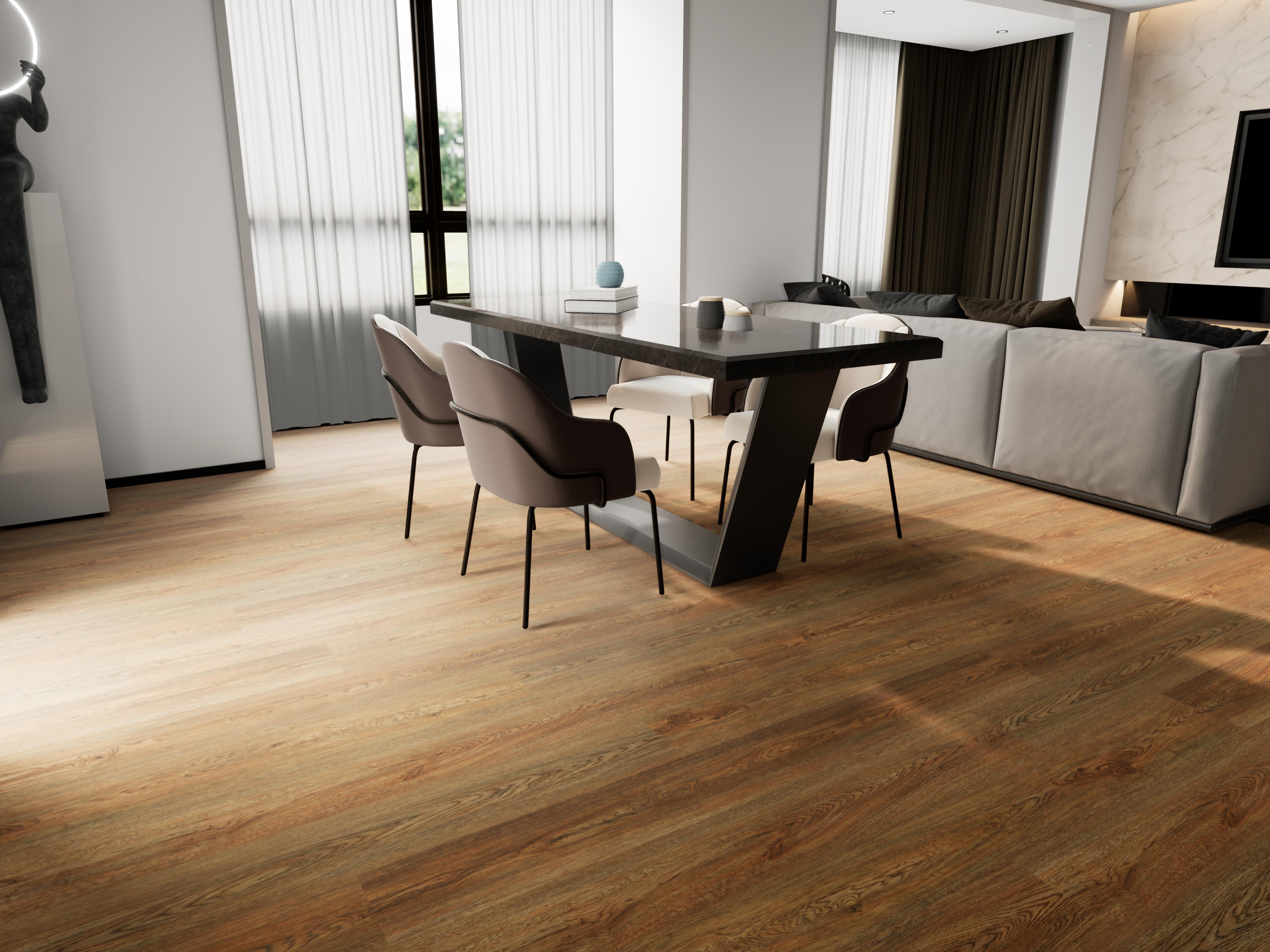
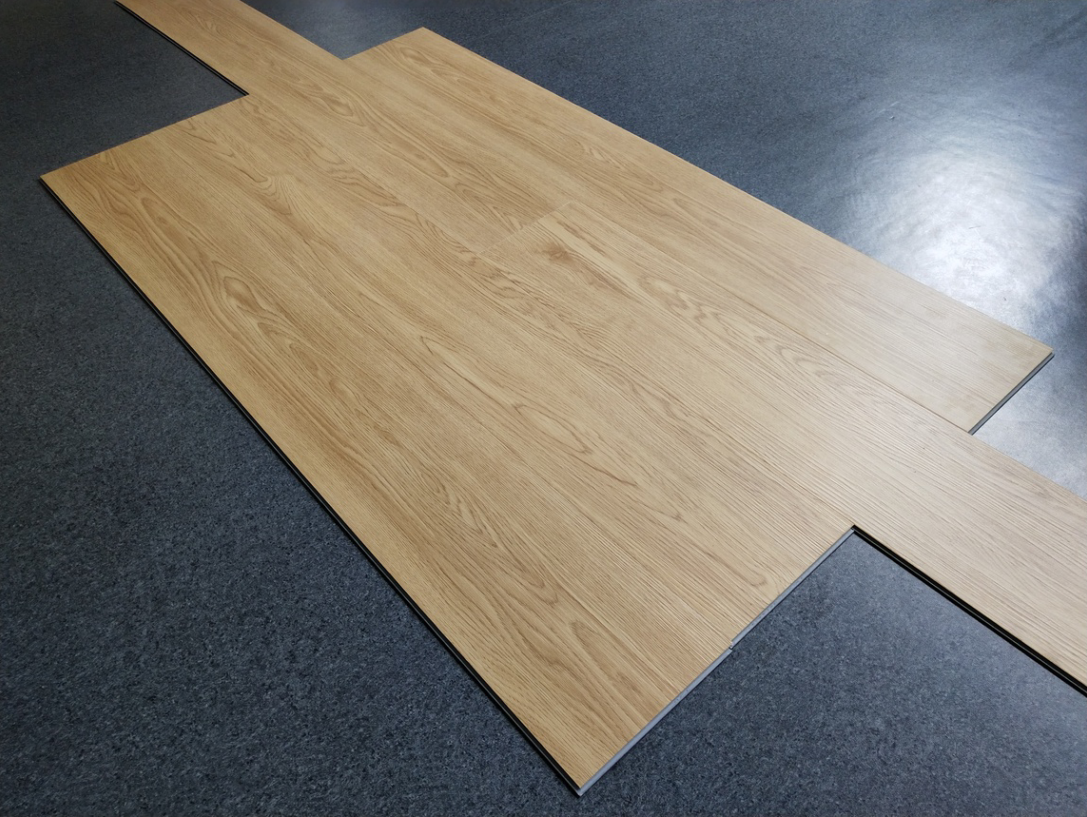
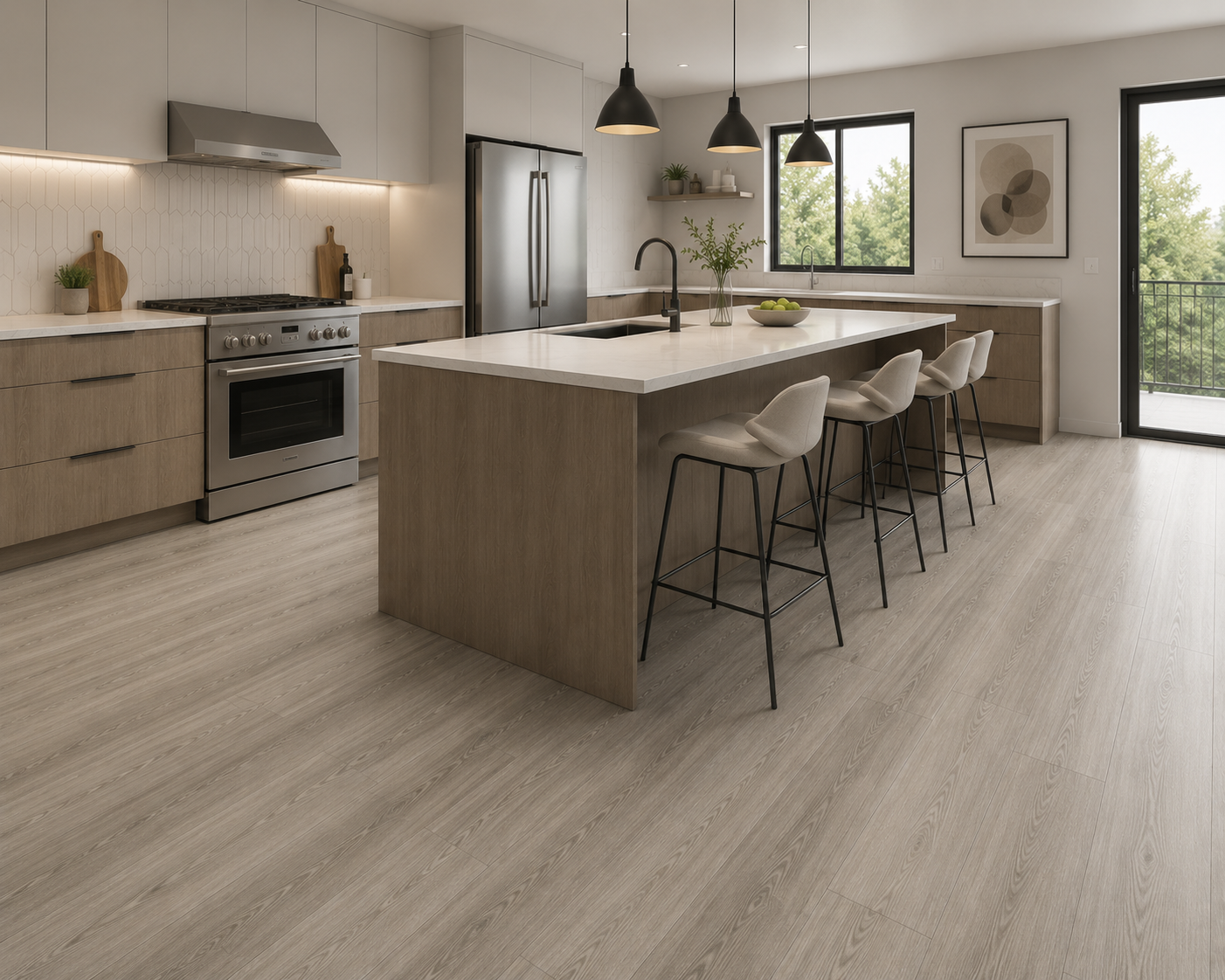
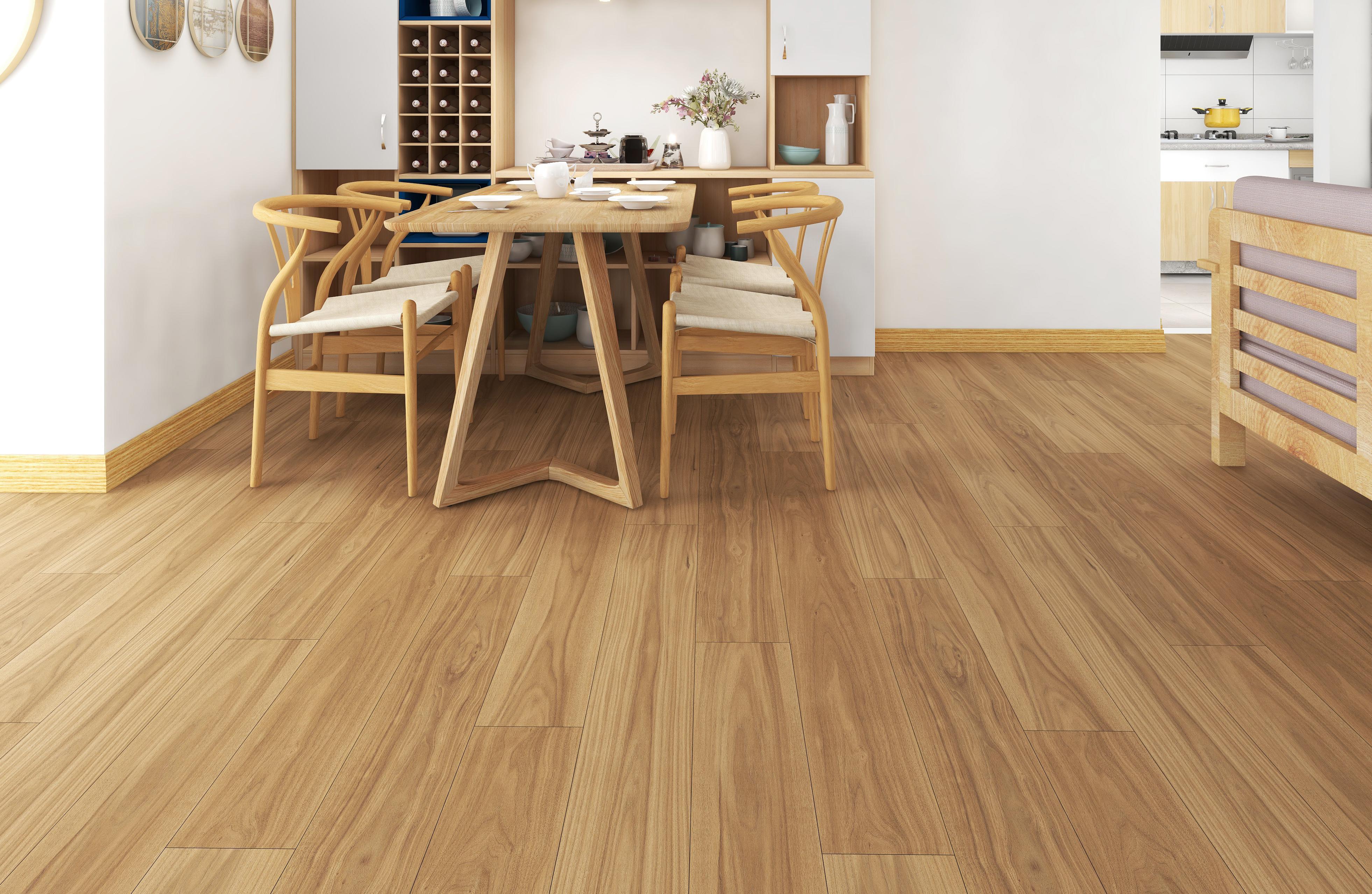
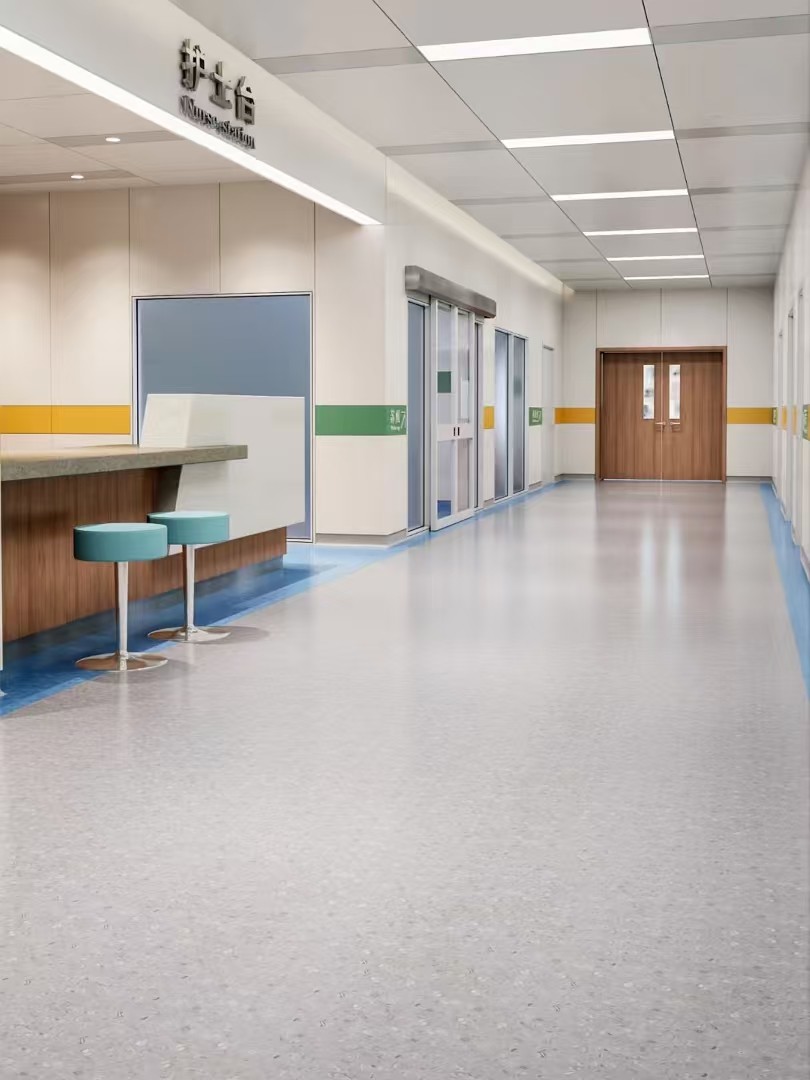
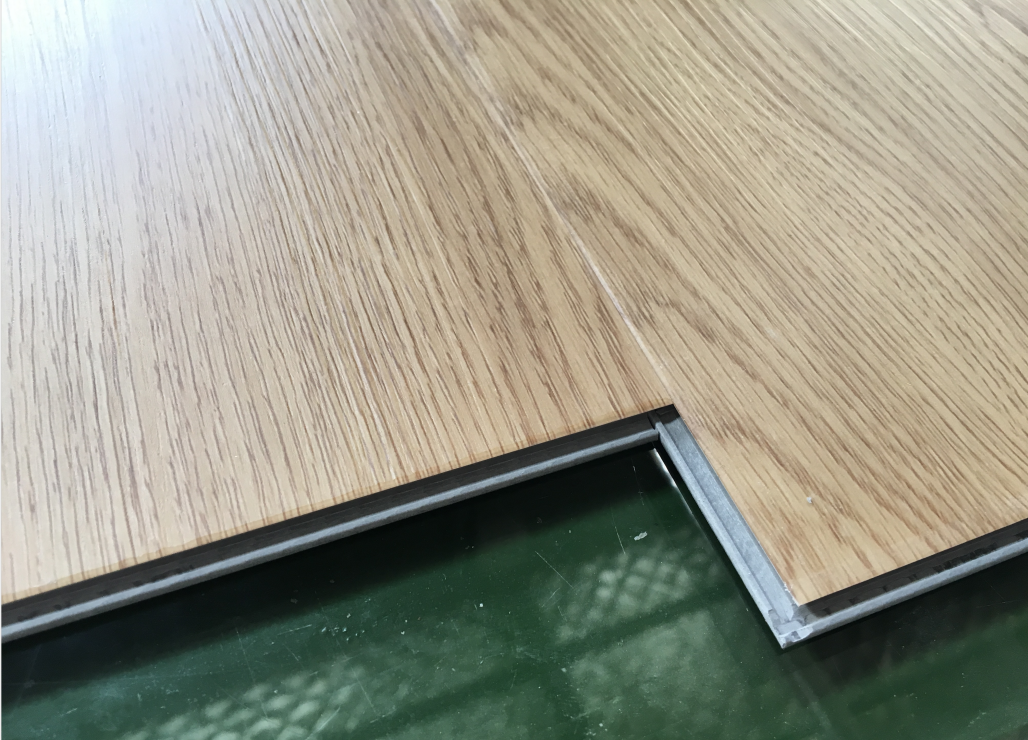
Walk into any flooring store and you will be handed a wall of acronyms: LVT, SPC, WPC, vinyl sheet, peel-and-stick, loose-lay. They are all made from PVC (polyvinyl chloride), yet each one is engineered differently — and the differences decide how your floor performs over the next 15 to 20 years. Polyvinyl flooring captured roughly 22% of the US residential flooring market in 2025, making it the fastest-growing category for the seventh consecutive year. Choosing the right PVC flooring type matters more than the brand name on the box. In this guide, we break down every major type of PVC flooring — LVT, SPC, WPC, vinyl sheet, and self-adhesive vinyl — explaining how each is constructed, where it performs best, and where it falls short. You will also find a side-by-side comparison table, a room-by-room recommendation guide, wear-layer guidance, installation overviews, and the certifications that separate quality vinyl from cheap vinyl. With more than 20 years of experience in PVC flooring manufacturing, Hanflor uses this guide to help homeowners, contractors, and distributors choose the right vinyl flooring the first time. All vinyl flooring shares the same basic chemistry: a PVC core, a printed design film, and a clear wear layer on top. What separates one type from another is how that core is made, how the floor is installed, and how thick the protective wear layer is. That single difference explains why one vinyl floor handles a wet basement and another quietly buckles within three years. Flexible PVC construction with wood or stone look designs. Available in glue-down and click formats. A versatile option for residential and commercial applications. Rigid limestone + PVC core. The most stable, waterproof, dent-resistant option. Best for kitchens, bathrooms, high traffic. Foamed PVC-based core designed for a softer and quieter underfoot feel. Often preferred for bedrooms, living areas, and comfort-focused spaces. Continuous roll flooring with minimal seams. A practical option for areas requiring broad-surface moisture resistance, such as healthcare, bathrooms, and laundry rooms. Peel-and-stick tiles and planks. Quick, budget-friendly, DIY-friendly. Best for low-traffic rentals and refreshes. LVT (Luxury Vinyl Tile) and LVP (Luxury Vinyl Plank) are the same construction in different shapes — tile formats mimic stone and ceramic, plank formats mimic hardwood. The core is flexible PVC, typically 2 to 5 mm thick, which makes LVT the thinnest, lightest, and most affordable luxury vinyl option. Modern LVT layers include a PVC or fiberglass backing, a resilient core, a high-resolution printed design layer, a clear PVC wear layer, and a UV-cured urethane top coat for stain resistance. SPC (Stone Plastic Composite) flooring uses a dense rigid core of roughly 60–80% limestone powder bound with PVC and stabilizers. Introduced around 2015, SPC now dominates new vinyl flooring sales — and for good reason. The rigid core delivers the best dimensional stability in the vinyl family: SPC barely expands or contracts with temperature swings, floats smoothly over minor subfloor imperfections, and shrugs off water that would eventually damage flexible LVT. WPC (Wood Plastic Composite) predates SPC and uses a foamed core of wood flour, PVC, and foaming agents. The result is a thicker (5 to 8 mm), lighter plank with a soft, cushioned, warm feel underfoot that many people prefer for bedrooms, living rooms, and media rooms. The foamed core also provides noticeably better sound absorption than SPC, which makes WPC a favorite in condos and upstairs spaces. Vinyl sheet flooring is a broad category of PVC flooring supplied in continuous rolls. It includes both homogeneous and heterogeneous constructions, which differ in layer structure, performance, and typical applications. Compared with vinyl planks or tiles, sheet flooring can minimize seams and is commonly used in residential, commercial, healthcare, and other moisture-sensitive environments. Two more formats round out the PVC family. Self-adhesive (peel-and-stick) vinyl tiles and planks come with a pressure-sensitive backing — you peel the film and press the tile down. They are thin (often under 2 mm with a 3 to 6 mil wear layer), inexpensive, and the easiest way to refresh a floor in an afternoon. Loose-lay vinyl is heavier and thicker, designed to stay in place under its own weight with no adhesive except around the perimeter, and it can be removed and reinstalled — useful for rentals and temporary spaces. For full-home, high-traffic, or wet-room installations, a click-lock rigid-core floor or professionally installed sheet vinyl remains the smarter long-term investment. Different rooms make different demands on a floor. Use this quick room-by-room guide as a starting point, then confirm the specific product's wear layer, warranty, and certifications before buying. Measured in mils (1 mil = 1/1000 inch), the wear layer is the clear PVC coating that protects the printed design from scratches, scuffs, and stains. It is the single most important durability spec on any vinyl floor — two floors can look identical and differ fivefold in how long they last. Wear-layer rule of thumb: 6 mil suits light residential traffic; 12 mil is the minimum for normal family living; 20 mil for busy kitchens, pets, and light commercial; 28 mil or more for heavy commercial and rental properties. Always confirm the wear layer on the spec sheet — a thin wear layer is the most common reason budget vinyl fails early. Total plank thickness also matters: thicker floors feel more solid, muffle sound better, and hide minor subfloor imperfections. For click-lock floating floors, 5 mm and up is the practical minimum for stable joints. Installation method shapes cost, speed, and flexibility as much as the core type does. Whichever method you choose, start by acclimating the boxes in the room for 24 to 48 hours, and confirm the subfloor is clean, dry, and level — floating floors telegraph every bump. Low-quality vinyl is the main source of the "off-gassing" concerns you may have read about. Trusted manufacturers certify their products against independent indoor-air and performance standards, and that certification is the fastest way to separate quality PVC flooring from cheap PVC flooring: As a manufacturer with over two decades of PVC flooring production, Hanflor tests every production batch for dimensional stability, wear resistance, and emission compliance — and every Hanflor product ships with clear specifications so you know exactly what you are buying. None in construction — LVT (Luxury Vinyl Tile) mimics stone or ceramic in tile formats, while LVP (Luxury Vinyl Plank) mimics hardwood in plank formats. They share the same flexible PVC construction. For wet rooms, high traffic, and rooms with temperature swings, yes — SPC's rigid core is more stable and more waterproof. For tight budgets, tight door clearances, and maximum design flexibility, flexible LVT is a solid choice. Usually, yes. WPC's thicker, foamed construction typically costs more than comparable SPC, even though SPC is harder and more dent-resistant. You are paying for comfort and sound absorption. Vinyl sheet is the most waterproof because its seamless surface leaves no joints for water to enter. Among plank formats, SPC is the most water-stable for years of repeated exposure. With a proper wear layer and correct installation, quality LVT, SPC, and WPC flooring typically lasts 15 to 25 years residentially. Thin wear layers and poor subfloor preparation shorten that dramatically. Peel-and-stick is the fastest for small areas, but for whole rooms, click-lock SPC and WPC floating floors are the most DIY-friendly while still delivering professional durability. There is no single "best" type of PVC flooring — only the best type for your room, your budget, and your lifestyle. Start with the room, then the core: choose SPC for wet or high-traffic areas, WPC for comfort and quiet, LVT for value and design range, vinyl sheet for seamless wet rooms, and self-adhesive or loose-lay for quick rentals and refreshes. Then verify the wear layer (12 mil minimum for homes), check certifications, and confirm the warranty. At Hanflor, we have been manufacturing PVC flooring for over 20 years, supplying LVT, SPC, WPC, and vinyl sheet products to projects across the world. If you are planning a renovation or a commercial project and want honest guidance on the right vinyl flooring type, browse our product range, read more flooring guides, or talk to our team — we will help you get it right the first time.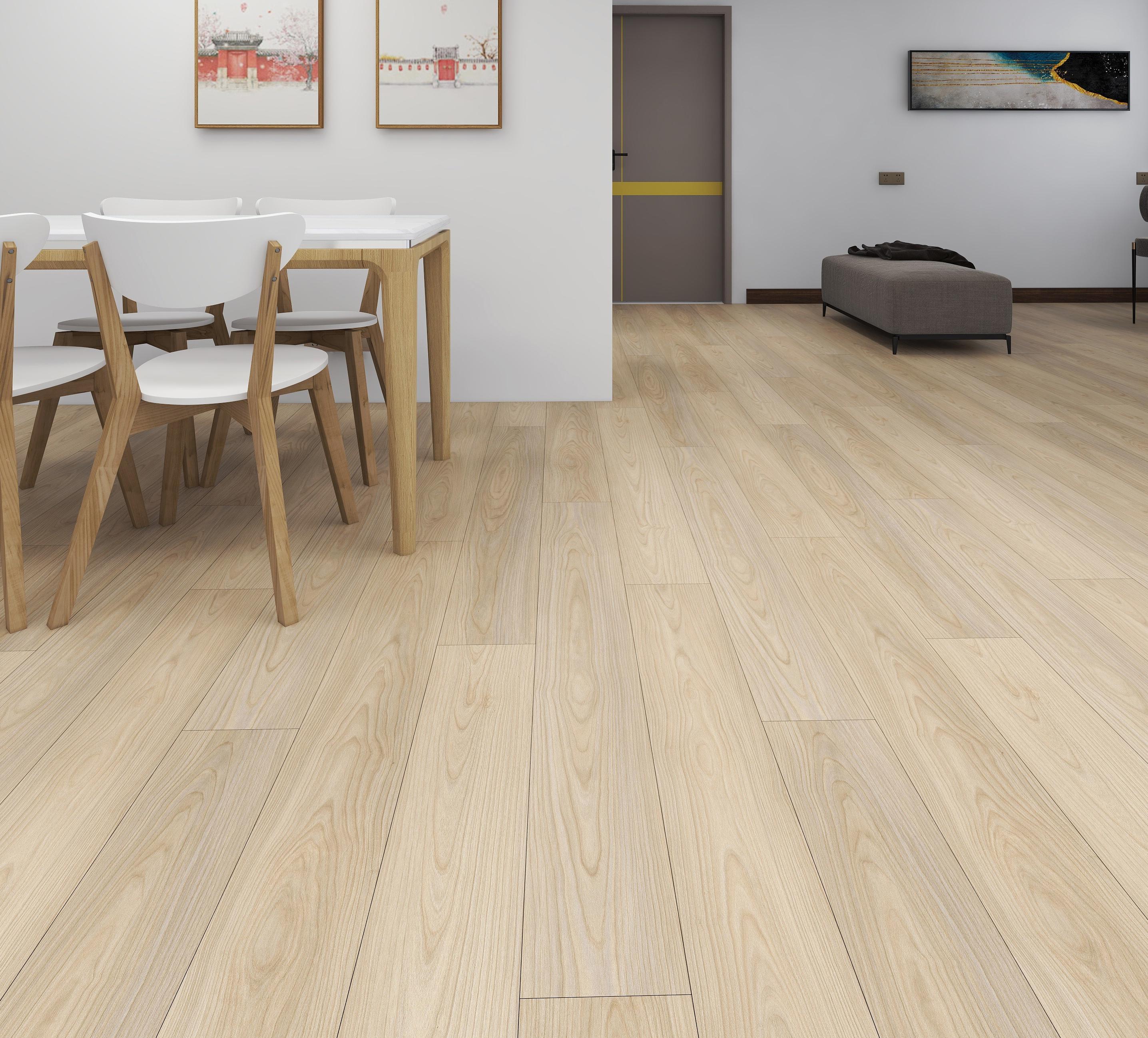
What Are the Different Types of PVC Flooring?
LVT / LVP
SPC
WPC
Vinyl Sheet
Self-Adhesive
LVT: The Flexible All-Rounder
Where LVT shines
Where LVT falls short
SPC: The Rigid-Core Workhorse
Why homeowners and contractors choose SPC
The trade-offs
WPC: The Comfort-First Choice
WPC strengths
WPC weaknesses
Vinyl Sheet: The Seamless Budget Option
Sheet vinyl pros
Sheet vinyl cons
Self-Adhesive and Loose-Lay Vinyl: Quick DIY Formats
When these formats make sense
PVC Flooring Types Compared: LVT vs SPC vs WPC vs Vinyl Sheet
Feature LVT / LVP SPC WPC Vinyl Sheet Core material Flexible PVC Limestone + PVC (rigid) Wood flour + PVC (foamed) PVC with fiberglass backing Typical thickness 2 – 5 mm 3.5 – 6.5 mm 5 – 8 mm 1.5 – 3.5 mm Water resistance Water-resistant 100% waterproof 100% waterproof 100% waterproof (seamless) Dimensional stability Good Excellent Very good Good Dent resistance Moderate Excellent Good Low Underfoot comfort Moderate Firm Soft and warm Soft Sound absorption Moderate Moderate Excellent Moderate Installation Glue-down / click Click-lock floating Click-lock floating Full adhesive Relative price $ $$$ $$$$ $ Best for Value + looks Wet & high traffic Comfort + quiet Seamless wet rooms Which PVC Flooring Type Is Best for Each Room?
Room Recommended Type Why Kitchen SPC Spills, dropped pans, and heavy traffic — SPC resists water and dents best. Bathroom SPC or vinyl sheet Both are waterproof; sheet adds seamless protection against standing water. Basement SPC Rigid core handles concrete cold, moisture, and uneven subfloors. Bedroom WPC Soft, warm, and quiet underfoot for bare feet and mornings. Living room WPC or SPC WPC for comfort; SPC if there are pets, kids, or direct sun. Laundry room Vinyl sheet Seamless surface shrugs off splashes and machine leaks. Rental / low traffic Self-adhesive or loose-lay Quick, removable, and budget-friendly. Wear Layer Thickness: The Spec That Decides Durability
Click-Lock, Glue-Down or Peel & Stick? Installation Explained
Certifications and Quality Signals to Look For
Frequently Asked Questions About PVC Flooring Types
What is the difference between LVT and LVP?
Is SPC better than LVT?
Is WPC more expensive than SPC?
Which vinyl flooring type is the most waterproof?
How long does PVC flooring last?
Which PVC flooring type is easiest to install yourself?
Final Thoughts: Finding the Right PVC Flooring for You